Open post

Formation Friday – Rule of the OFS, Chpt 2 Art. 12.13.14 – March 15, 2024

The OFS-USA National Fraternity has recently published “From Gospel to Life,” the OFS Rule with Commentary. This occasional series highlights the Prologue (See November 17th and 24th) and the articles of the Rule, the commentary, and questions based on this publication for fraternity discussion. You may order “Gospel to Life” at this link: https://www.secularfranciscansusa.org/wp-content/uploads/Order-Form_October_2023rev.pdf

Rule of the Secular Franciscan Order
Chapter 2 Articles 12, 13, and 14

Article 12: Witnessing to the good yet to come and obliged to acquire purity of heart because of the vocation they have embraced, they should set themselves free to love God and their brothers and sisters.21

Article 13: As the Father sees in every person the features of his Son, the firstborn of many brothers and sisters,22 so the Secular Franciscans with a gentle and courteous spirit accept all people as a gift of the Lord and an image of Christ.23

A sense of community will make them joyful and ready to place themselves on an equal basis with all people, especially with the lowly for whom they shall strive to create conditions of life worthy of people redeemed by Christ.24

Article 14: Secular Franciscans, together with all people of good will, are called to build a more fraternal and evangelical world so that the kingdom of God may be brought about more effectively. Mindful that anyone “who follows Christ, the perfect man, becomes more of a man himself,” let them exercise their responsibilities competently in the Christian spirit of service.25

Commentary

Article 12: The result of simple living in gospel poverty is freedom to seek and share the great treasure of the kingdom: loving God and neighbor (12).


Article 13: Hand in hand with simple living is coming to recognize that in Christ all are equally brothers and sisters (13). There is no room for prejudice or exclusiveness in the Franciscan way of life. In fact, the sense of community and the will toward community compel the Secular Franciscans to discover Christ in everyone, especially the lowly and poor and disadvantaged.


Article 14: The natural consequence to simple living and a sense of community is selfless service (14). Secular Franciscans expend themselves by using their special talents, competence, and responsibility. Thus, they bring to others the experience of God and the hope for achieving their full humanity.


For discussion with a partner, in a group, or to comment on in your journal:

+Re-read article 12 and the commentary:

What do you think “set themselves free means?”

· How do you set yourself free to love God?

· How do you set yourself free to serve others?

· How can you simplify your life so that living the gospel becomes possible?

+Re-read article 13 and the commentary

–How do you see Christ in others?

· What is challenging about accepting everyone as a “gift of the Lord and an image of Christ?”

· How do our relationships with others affect fraternity and family life?


+Re-read article 14 and the commentary

–What does carrying out our responsibilities effectively mean to you?

· How do you use your talents in service to others?

· How do you set priorities in your service to others?

Formación 8 de marzo, 2024 Por favor, comparta con su fraternidad local


La Fraternidad Nacional OFS-USA ha publicado recientemente “Del Evangelio a la Vida”, la Regla de la OFS con comentario. (Publicada en inglés y español) Esta serie ocasional que destacará el Prólogo (véase 17 y 24 de noviembre) y varios artículos de la Regla, el comentario y las preguntas para la discusión de la fraternidad. Se puede pedir “Evangelio a la vida” en español en este enlace:
https://www.secularfranciscansusa.org/wp-content/uploads/Order-Form_October_2023rev.pdf


Regla de la Orden Franciscana Seglar

Capítulo 2 Artículos 12-14


Artículo 12: Testigos de los bienes futuros y comprometidos con la vocación abrazada a la adquisición de la pureza de corazón, se harán libres para el amor de Dios y de los hermanos21.


Artículo 13: De la misma manera que el Padre ve en cada uno de los hombres los rasgos de su Hijo, Primogénito de muchos hermanos22, los Franciscanos seglares acojan a todos los hombres con ánimo humilde y cortés, como don del Señor23 e imagen de Cristo. El sentido de fraternidad les hará felices de colocarse a la par de todos los hombres, especialmente con los más humildes, para los cuales se esforzarán en crear condiciones de vida dignas de criaturas redimidas por Cristo24.


Artículo 14: Llamados, juntamente con todos los hombres de buena voluntad, a construir un mundo más fraterno y evangélico para la edificación del reino de Dios, conscientes de que “quien sigue a Cristo, Hombre perfecto, se hace a sí mismo más hombre,” cumplan con competencia las propias responsabilidades con espíritu cristiano de servicio.25


Comentario


Artículo 12: El resultado de una vida sencilla en la pobreza evangélica es la libertad para buscar y compartir el gran tesoro del reino: amar a Dios y al prójimo (12).


Artículo 13: De la mano con la vida sencilla se llega a reconocer que en Cristo todos son igualmente hermanos y hermanas (13). No hay lugar para prejuicios o exclusividades en el estilo de vida franciscano. De hecho, el sentido de comunidad y la voluntad de comunidad impulsan a los franciscanos seglares a descubrir a Cristo en todos, especialmente en los humildes, los pobres y los desfavorecidos.


Artículo 14: La consecuencia natural de una vida sencilla y un sentido de comunidad es el servicio desinteresado (14). Los franciscanos seglares se dedican usando sus talentos especiales, competencia y responsabilidad. Así, llevan a los demás la experiencia de Dios y la esperanza de alcanzar su plena humanidad.


Para platicar con un compañero, en un grupo o para comentar en su diario:

+Releer el artículo 12 y el comentario:

–¿Qué cree usted que significa “liberarse”?

• ¿Cómo se libera usted para amar a Dios?

• ¿Cómo se libera para servir a los demás?


+Releer el artículo 13 y el comentario.

–¿Cómo ve a Cristo en los demás?

• ¿Qué plantea el desafío de aceptar a todos como “don del Señor e imagen de Cristo”?

• ¿Cómo afectan nuestras relaciones con los demás a la fraternidad y la vida familiar?


+Releer el artículo 14 y el comentario.

–¿Qué significa para usted cumplir eficazmente nuestras responsabilidades?

• ¿Cómo utiliza sus talentos al servicio de los demás?

• ¿Cómo establece prioridades en su servicio a los demás?

 
Diane F. Menditto, OFS
Vice Minister, National Fraternity, Secular Franciscan Order USA
Listen – Discern – Go Forth National Theme 2022-2025

The Gospel Through a Franciscan Lens – 4th Sunday in Lent – Fr. Christopher

Fr. Christopher Panagoplos, TOR, reminds us that we don’t face our struggles alone.

“Whether we gaze with longing into the garden, or with fear and trembling into the desert, of this we can be sure—God walked there first. When we who have sinned are challenged now to face the desert, we do not face it alone. Jesus has gone there before us, to struggle with every demon that has ever plagued the human heart. Face the desert we must. Jesus has gone there before us.”

the full text of this Sunday’s homily here: 4th Sunday of Lent – Fr. Christopher (text)

View his homily here: 4th Sunday in Lent – Fr. Christopher (video)

Crucifix at St. Bernadine Monastery, Immaculate Conception Province TOR, Hollidaysburg, PA

The Gospel Through a Franciscan Lens – 4th Sunday in Lent – Fr. Christopher

Open post

Formation Friday – Rule Chpt 2, Art.10-11 – March 8, 2024

The OFS-USA National Fraternity has recently published “From Gospel to Life,” the OFS Rule with Commentary. This occasional series highlights the Prologue (See November 17th and 24th) and the articles of the Rule, the commentary, and questions based on this publication for fraternity discussion. You may order “Gospel to Life” at this link: https://www.secularfranciscansusa.org/wp-content/uploads/Order-Form_October_2023rev.pdf

Rule of the Secular Franciscan Order
Chapter 2 Articles 10-11

Article 10: Uniting themselves to the redemptive obedience of Jesus, who placed his will into the Father’s hands, let them faithfully fulfill the duties proper to their various circumstances of life.17 Let them also follow the poor and crucified Christ, witness to him even in difficulties and persecutions.18

Article 11: Trusting in the Father, Christ chose for himself and his mother a poor and humble life,19 even though he valued created things attentively and lovingly. Let the Secular Franciscans seek a proper spirit of detachment from temporal goods by simplifying their own material needs. Let them be mindful that according to the gospel they are stewards of the goods received for the benefit of God’s children.

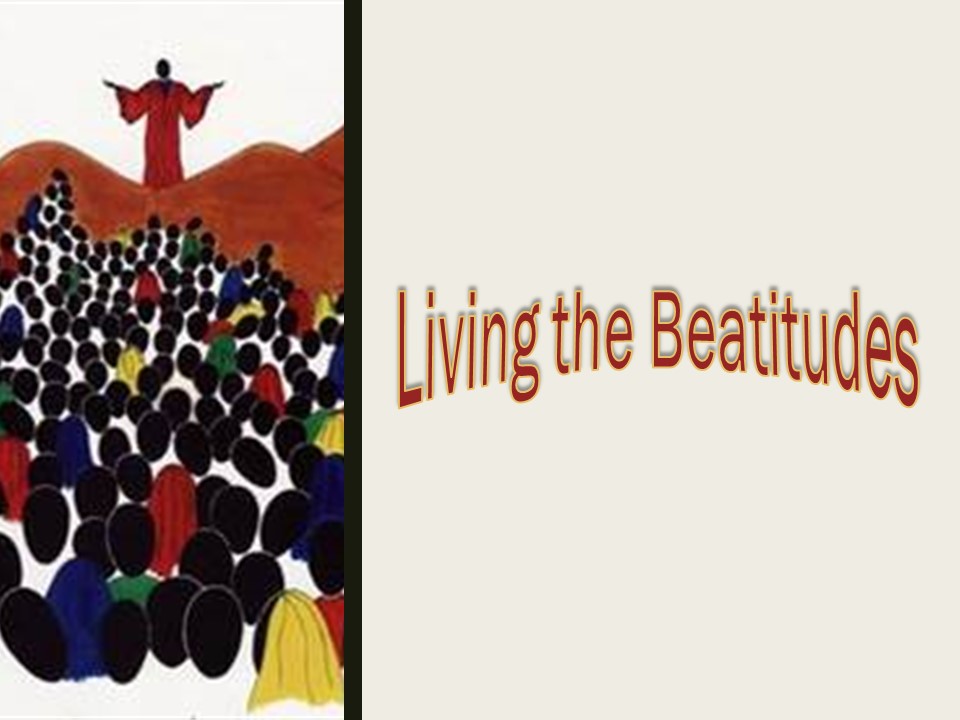
Thus, in the spirit of “the Beatitudes”, and as pilgrims and strangers on their way to the home of the Father, they should strive to purify their hearts from every tendency and yearning for possession and power.20


Commentary

Article 10: The first phase of evangelizing shows how the Secular Franciscans live in this world (10–12). Those who go “from gospel to life” have simple living (10–12), an experience of togetherness (13), and selfless service (14) as qualities of everyday living.

Simple living begins with the choice to unite with Christ so intensely that one is willing to share even his passion: the burdens of hardship and pain within oneself or from outside sources.


Article 11: Simple living also takes shape (11) by reducing material needs, by curbing a thirst for possessions and the domineering power that comes from ownership, and by using all God’s gifts in a spirit of generosity, justice, and moderation. Gospel poverty for Secular Franciscans, then consists in acquiring possessions justly, keeping needs to a minimum, and using what they have as custodians for the generous benefit of others. In this way they live for the kingdom of God and not for this world, according to the charter for happiness given in the “Beatitudes.”


For discussion with a partner, in a group, or to comment on in your journal:

+Re-read article 10 and the commentary:

What are the “circumstances” of your life?

· How does the fulfillment of your responsibilities reflect your relationship with Jesus?

· Give examples of how you “go from gospel to life and life to the gospel.”

· How can you simplify your life so that living the gospel becomes possible?

–How does fulfilling your duties as a lay person help to evangelize others?


+Re-read article 11 and the commentary

–Reflect on “gospel poverty.”

· How can you live in moderation? (Not only possessions, but attitudes and relationships with others.)

· Explain what you think living as “pilgrims and strangers” means. Can you think of some concrete examples?

· What do you think the “spirit of the Beatitudes” means?


++++++++++++++++++


Formación 8 de marzo, 2024 Por favor, comparta con su fraternidad local


La Fraternidad Nacional OFS-USA ha publicado recientemente “Del Evangelio a la Vida”, la Regla de la OFS con comentario. (Publicada en inglés y español) Esta serie ocasional que destacará el Prólogo (véase 17 y 24 de noviembre) y varios artículos de la Regla, el comentario y las preguntas para la discusión de la fraternidad. Se puede pedir “Evangelio a la vida” en español en este enlace:
https://www.secularfranciscansusa.org/wp-content/uploads/Order-Form_October_2023rev.pdf


Regla de la Orden Franciscana Seglar

Capítulo 2 Artículos 10-11


Artículo 10: Asociándose a la obediencia redentora de Jesús, que sometió su voluntad a la del Padre, cumplan fielmente las obligaciones propias de la condición de cada uno en las diversas circunstancias de la vida17, y sigan a Cristo, pobre y crucificado, testimoniándolo aún en las dificultades y persecuciones18.


Artículo 11: Cristo, confiado en el Padre, aún apreciando atenta y amorosamente las realidades creadas, eligió para Sí y para su Madre una vida pobre y humilde19; del mismo modo, los Franciscanos seglares han de buscar en el desapego y en el uso una justa relación con los bienes terrenos, simplificando las propias exigencias materiales; sean conscientes, en conformidad con el Evangelio, de ser administradores de los bienes recibidos, en favor de los hijos de Dios.


Así, en el espíritu de las “Bienaventuranzas,” esfuércense en purificar el corazón de toda tendencia y avidez de posesión y de dominio, como “peregrinos y forasteros” en el camino hacia la casa del Padre20.


Comentario


Artículo 10: La primera fase de la evangelización muestra cómo viven los franciscanos seglares en este mundo (10-12). Aquellos que pasan «del evangelio a la vida» tienen una vida sencilla (10–12), una experiencia de unión (13) y servicio desinteresado (14) como cualidades de la vida diaria.

La vida sencilla comienza con la elección de unirse con Cristo tan intensamente que uno está dispuesto a compartir incluso su pasión: las cargas de las dificultades y el dolor dentro de uno mismo o de fuentes externas.


Artículo 11: La vida sencilla también toma forma (11) reduciendo las necesidades materiales, frenando la sed de posesiones y el poder dominante que proviene de la propiedad, y usando todos los dones de Dios con un espíritu de generosidad, justicia y moderación. La pobreza evangélica para los franciscanos seglares consiste, entonces, en adquirir las posesiones con justicia, reducir al mínimo las necesidades y usar lo que tienen como custodio para el beneficio generoso de los demás. Así viven para el reino de Dios y no para este mundo, según la carta de la felicidad dada en las Bienaventuranzas.


Para platicar con un compañero, en un grupo o para comentar en su diario:


+Releer el artículo 10 y el comentario:

–¿Cuáles son las “circunstancias” de su vida?

• ¿Cómo refleja el cumplimiento de sus responsabilidades su relación con Jesús?

• Dé ejemplos de cómo usted “pasa del evangelio a la vida y de la vida al evangelio”.

–¿Cómo ayuda el cumplimiento de sus deberes como laico a evangelizar a los demás?


+Releer el artículo 11 y el comentario.

–Reflexionar sobre la “pobreza evangélica”.

• ¿Cómo se puede vivir con moderación? (No sólo posesiones, sino actitudes y relaciones con los demás).

• Explique lo que cree que significa vivir como “peregrinos y extranjeros”. ¿Puede pensar en algunos ejemplos concretos?

• ¿Qué cree que significa el “espíritu de las Bienaventuranzas”?


Diane F. Menditto, OFS
Vice Minister, National Fraternity, Secular Franciscan Order USA
Listen – Discern – Go Forth National Theme 2022-2025

The Gospel Through a Franciscan Lens – 3rd Sunday in Lent – Fr. Christopher

Fr. Christopher Panagoplos, TOR, reflects on one of the most profound mysteries of our Faith – the meaning of suffering.

“Why did Jesus suffer?  God the Father wishes this perishable nature to put on imperishability, and this mortal nature to put on immortality.  Jesus accomplishes this by sacrificing His own life.  In this way, Jesus becomes our High Priest, entering into a new Holy of Holies—the sanctuary of His own body, offering there this new sacrifice—keeping the Father’s will, loving even His enemies infinitely more that they would hate Him.”

Read the full text of this Sunday’s homily here: 3rd Sunday of Lent – Fr. Christopher (text)

View his homily here: 3rd Sunday in Lent – Fr. Christopher (video)

The Gospel Through a Franciscan Lens – 3rd Sunday in Lent – Fr. Christopher

Open post

Formation Friday, Catholic Social Teaching – from OFS Rule – March 1, 2024

Catholic Social Teaching—From St. Francis to the Secular Franciscan Rule

In the Legend of the Three Companions we read: He [Francis] used to tell them: “As you announce peace with your mouth, make sure that greater peace is in your hearts. Let no one be provoked to anger or scandal through you, but may everyone be drawn to peace, kindness, and harmony through your gentleness. For we have been called to this: to heal the wounded, bind up the broken, and recall the erring. In fact, many who seem to us to be members of the devil will yet be disciples of Christ.”

The Founder p. 102 https://franciscantradition.org/francis-of-assisi-early-documents/the-founder/the-legend-of-the-three-companions/1193-fa-ed-2-page-102

The Catholic Church has given us the Seven Themes of Catholic Social Teaching. The Secular Franciscan Rule of 1978 helps us to make them part of our daily lives. Lent is the perfect time for us to reflect on this comparison.

1- CST: LIFE AND DIGNITY OF THE HUMAN PERSON—The Catholic Church proclaims that human life is sacred and that the dignity of the human person is the foundation of a moral vision for society.
+OFS RULE:
Articles 15 and 17: Promote justice and peace and respect for life


2- CST: CALL TO FAMILY, COMMUNITY, AND PARTICIPATIONWe are both sacred and social; part of society.

+OFS RULE: Articles 13 and 17: A sense of community—ready to place themselves on an equal basis with all people; Cultivate a spirit of peace, fidelity, and respect for life in the family. Husbands and wives should bear witness in the world of the love of Christ for his Church.


3- CST: RIGHTS AND RESPONSIBILITIES—The Catholic tradition teaches that human dignity can be protected and a healthy community can be achieved only if human rights are protected, and responsibilities are met.

+OFS RULE: Article 14: [We] are called to build a more fraternal and evangelical world; exercise our responsibilities competently.


4- CST: OPTION FOR THE POOR AND VULNERABLE—How are the most vulnerable faring?

+OFS RULE: Articles 13 and 15: Accept all people as a gift of the Lord. Place ourselves on an equal basis with the lowly…; Be in the forefront of promoting justice…


5- CST: THE DIGNITY OF WORK AND THE RIGHTS OF WORKERS—The economy should serve people not vice versa.

+OFS RULE: Article 16: Let them esteem work both as a gift and as a sharing in the creation, redemption, and service of the human community.


6- CST: SOLIDARITY—We are one human family.

+OFS RULE: Articles 13 and 19: …place themselves on an equal basis with all people, especially the lowly. …trusting in the presence of the divine seed in everyone and in the transforming power of love and pardon.


7- CST: CARE FOR GOD’S CREATION—We show respect for the Creator by taking care of His creation.

+OFS RULE: Article 18: They should respect all creatures which bear the imprint of the Most High,…


https://www.crs.org/resource-center/seven-themes-catholic-social-teaching-handout


For discussion or to answer in your journal

+How does Catholic Social Teaching (CST) apply to us as Secular Franciscans? Give “daily life” examples.

+In what ways do you live out the articles of the Rule mentioned above?

+How can our fraternities live out Catholic Social Teaching through our apostolates? Give examples of what you are already doing? What more can you do?


++++++++++

Formación 1 marzo, 2024 Favor de compartir con su fraternidad local.

Doctrina social católica: De San Francisco a la regla franciscana seglar

En la leyenda de los tres compañeros leemos: Y [Francisco] les decía: «Que la paz que anunciáis de palabra, la tengáis, y en mayor medida, en vuestros corazones Que ninguno se vea provocado por vosotros a ira o escándalo, sino que por vuestra mansedumbre todos sean inducidos a la paz, a la benignidad y a la concordia. Pues para esto hemos sido llamados: para curar a los heridos, para vendar a los quebrados y para corregir a los equivocados. Pues muchos que parecen ser miembros del diablo, llegarán todavía a ser discípulos de Cristo».
http://franciscanos.org/fuentes/leyendatrescom02.html (Capítulo XIV, pár. 58)

La Iglesia Católica nos ha dado los Siete Temas de la Doctrina Social Católica. La Regla Franciscana Seglar de 1978 nos ayuda a hacerlos parte de nuestra vida diaria. La Cuaresma es el momento perfecto para reflexionar sobre esta comparación.

1- DSC: VIDA Y DIGNIDAD DE LA PERSONA HUMANA — La Iglesia Católica proclama que la vida humana es sagrada y que la dignidad de la persona humana es el fundamento de una visión moral para la sociedad.
+ REGLA OFS: Artículos 15 y 17: Promover la justicia y la paz y el respeto a la vida

2- DSC: LLAMADO A LA FAMILIA, LA COMUNIDAD Y LA PARTICIPACIÓN: somos tanto sagrados como sociales; parte de la sociedad.
+ REGLA OFS: Artículos 13 y 17: Un sentido de comunidad — listo para colocarse en igualdad de condiciones con todas las personas; Cultive un espíritu de paz, fidelidad y respeto por la vida en familia. Los esposos y las esposas deben dar testimonio en el mundo del amor de Cristo por su Iglesia.

3-DSC: DERECHOS Y RESPONSABILIDADES — La tradición católica enseña que se puede proteger la dignidad humana y que se puede lograr una comunidad saludable solo si se protegen los derechos humanos y se cumplen las responsabilidades.
+ REGLA OFS: Artículo 14: [Estamos] llamados a construir un mundo más fraterno y evangélico; ejercer nuestras responsabilidades de manera competente.

4- DSC: OPCIÓN PARA LOS POBRES Y VULNERABLES: ¿Cómo les va a los más vulnerables?
+ REGLA OFS: Artículos 13 y 15: Acepta a todas las personas como un regalo del Señor. Situarnos en pie de igualdad con los humildes…; Estar a la vanguardia de la promoción de la justicia …

5- DSC: LA DIGNIDAD DEL TRABAJO Y LOS DERECHOS DE LOS TRABAJADORES — La economía debe servir a las personas y no al revés.
+ REGLA OFS: Artículo 16: Que estimen el trabajo como don y como participación en la creación, redención y servicio de la comunidad humana.

6- DSC: SOLIDARIDAD — Somos una sola familia humana.
+ REGLA OFS: Artículos 13 y 19:… colocarse en igualdad de condiciones con todas las personas, especialmente con los humildes. … Confiando en la presencia de la semilla divina en todos y en el poder transformador del amor y del perdón.

7- DSC: CUIDADO POR LA CREACIÓN DE DIOS — Mostramos respeto por el Creador al cuidar de Su creación.
+ REGLA OFS: Artículo 18: Deben respetar a todas las criaturas que llevan la huella del Altísimo, …

https://www.crs.org/resource-center/cartel-sobre-los-siete-temas-de-la-doctrina-social-cat%C3%B3lica

Para platicar o responder en su diario

+ ¿Cómo se aplica la Doctrina Social Católica (DSC) a nosotros como franciscanos seglares? Dé ejemplos que proceden de la “vida diaria.”
+ ¿De qué manera vive usted los artículos de la Regla antes mencionados?
+ ¿Cómo pueden nuestras fraternidades vivir la Doctrina Social Católica a través de nuestros apostolados? ¿Dé ejemplos de lo que ya están haciendo. ¿Qué más se puede hacer?


Diane F. Menditto, OFS
Vice Minister, National Fraternity, Secular Franciscan Order USA
Listen – Discern – Go Forth National Theme 2022-2025


Scroll to top
Juan de Padilla